
There was a time when people paid more attention to their training routine, recovery, and supplementation with less emphasis on their diet. The thinking back then was that you could simply eat what you like, when you like and you will be good-to-go.
However, this thinking has rightfully been relegated to the dark corners of fitness history, as more people have come to accept that their fitness goals are not just dependent on their training regimen, but equally on their nutrition plan.
In this guide, we drop seven (7) nutrition tips first a successful transformation of your general health, wellbeing, and physique.
#1. Adjust Your Calories on Rest Days
You should try to avoid eating as much as you do on your training days when you are recovering. While the amount of food needed during the days that you actually workout is important for your energy levels, you don’t have to maintain the same volume of food when you are sitting back and relaxing.
You should adjust the amount of calories that you consume in accordance with your gender, body weight, training regimen, and fitness goal(s). Don’t worry if you feel intimidated by the seemingly hard work you need to put into monitoring your food intake. You can simply lower your calorie count on your rest days by 500 calories, so if your training day calories is 2,750, you can drop this to 2,250 on your rest days. You can chat with a dietician and/or nutritionist if you are a bit confused or you don’t know how to go about adjusting your calories.
#2. Eat What Works for You
There is a tendency for people to jump on the next trending nutrition plan. You see a YouTube video promoting a vegan diet for cutting and you jump on it or you stumble on a carnivore diet plan for bulking and you decide to go that route.
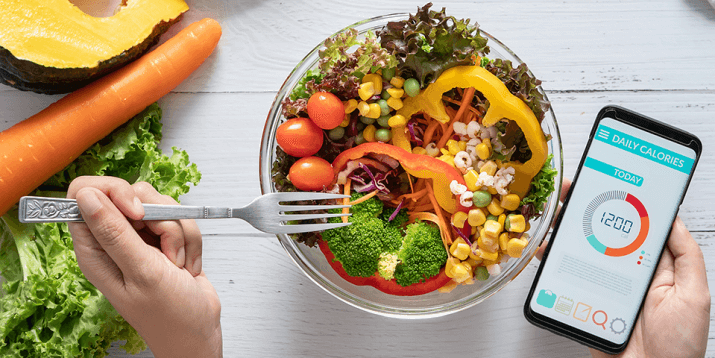
Ultimately, it is up to you to decide on the type of food you want to eat on your training days to meet the calorie count designed to provide you with the energy needed to sustain your workout routine.
Pick those macronutrients carefully based on your preference and tolerance levels. However, eating clean should be your goal most of the time, as this ensures that you avoid the health pitfalls that come with the consumption of unhealthy junk food.
#3. Indulge a Bit, but Not too Much
While you should try to avoid eating junk food, there is no harm in indulging yourself to a treat every now and again. That chocolate bar you crave could serve as a pre-workout snack to boost your energy levels and when you are recovering a snack or two won’t hurt your gains.
What you should not do is be addicted to junk food and make it a part of your daily consumption plan. So while you snack here and there, keep it at a controlled, manageable level, as empty calories do not provide any nutritious value unlike the macro and micronutrients derived from more healthy foods.
#4. Fight Cravings by Increasing your Protein Consumption
Junk food can be addictive and the sugar in these foods can increase your cravings for more. However, by eating more protein based meals, you will improve your satiety while reducing your craving for sugar based junk food. Try to ensure that the amount of protein you consume in each of your meals is as much as 20 to 30 grams.
Focus on high quality proteins derived from either animal or plant based sources. You can eat lean beef, chicken, and fish in addition to tempeh, soy, lentils, and beans.
#5. Don’t be Scared of Fats
Some people get freaked out when the word “fat” is mentioned in any context. Whether as a description of a body type or as a part of a nutrition plan. The truth is, when it comes to nutrition plans, you cannot do without dietary fat.
As a matter of fact, healthy fats like omega-3 fatty acids are widely known to assist in fat burning as they help in the reduction of cortisol levels. You might be wondering how this is possible.
Well, by reducing cortisol (known as the stress hormone), you will be less likely to cave-in to your cravings as stress, anxiety, and depression which are all linked to high cortisol levels can cause you to overindulge and consume a bit more than required.
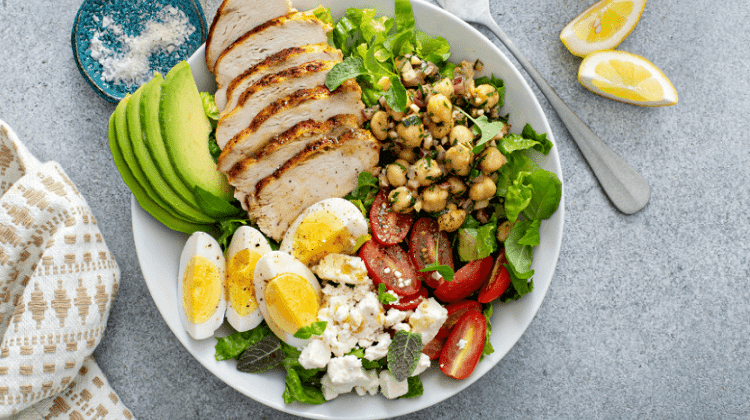
And as you know, overeating can lead to overweight and even obesity concerns. Ensure that your nutrition consists of healthy fats derived from both plant and animal food sources like olive oil, avocado, nuts, and fish.
#6. Drop those Calories, but Gradually not Suddenly
You should avoid the sudden drop in your day-to-day calories, as this can lead to you being famished even after having a meal. While you should consume less when you are recovering, you should not drastically lower your calories.
As mentioned already, dropping 500 calories on rest days is a good start. Do not be tempted to lower your calories by high numbers like 1,750 calories for example.
Imagine that you have a 2,750 daily calorie count during your workout days, and you suddenly drop this by 1,750 calories giving you 1,000 calories on your rest days. You are more than likely to experience an increase in your appetite which could lead you to consuming unhealthy foods to satisfy your cravings and as a result of this you gain excess weight and fall short of achieving your fitness goals.
#7. Hydration is a Must
You should never take hydration for granted. Drink sufficient volumes of water daily during the day to avoid dehydration. Always check the color of your urine to know if you are dehydrated. A dark urine color similar to apple juice color is a warning sign that you are on the verge of dehydration.
You should also try to limit your consumption of fluids like energy drinks and coffee, as excessive consumption of these drinks is known to promote dehydration. Where you feel that drinking just water can be a bit boring, you can add BCAAs or lemon slices to your drink.

Conclusion
Whether you want to bulk for muscle gains, cut for weight loss, or gain strength for improved performance, you need a holistic training program that incorporates a training regimen, recovery, and nutrition plan. The food you eat fuels your body with the energy it needs to pull through your workout sessions. However, while food is essential to meeting your fitness goals, you should be mindful of excessive snacking and overeating, dehydration, and sudden drops in your daily calories.
You should also try to eat what you want, but maintain a healthy dietary lifestyle only indulging in treats once in a while. If you keep to a healthy diet, train hard, but safely, and recover well, you should have no trouble achieving your desired fitness goal(s).
And on a parting note, feel free to get in touch with our in-house IFBB PRO coaches for a personalised free training plan right here.