
Training the Legs can be very tough but for your fitness goals, it is the most rewarding. Whether you are doing the squat or deadlift, your lower body fuels everything you do.
A properly structured lower body workout session should aim to balance heavy lifts with single-leg work and accessory exercises.
In this article, we will explore six (6) ways by which you can build your legs for both aesthetics and optimal performance.
Prioritize Heavy Compound Lifts
Your compound lifts or otherwise called main lifts help in providing the foundation by training multiple major muscle groups in your lower body.
To properly build muscle and strength, it is preferable if you start every workout session with main lifts. At the start of your training session is when your nervous system is still fresh, and compound lifts will go a long way in boosting your metabolism and building bone density.
For your leg day, try out these compound lift exercises to build both the muscles and strength of your legs.
Squat:
Squats are great for developing your quads. You can include weighted back squats, front squats, and goblet squats in your leg-day routine.
Hinge Exercises:
You can strengthen your hips, back and core with hinge exercises like Romanian deadlifts (RDLs) and conventional deadlifts.
Hip Thrusts:
With hip thrusts you will build powerfully glutes, hips, and leg muscles.
Single-Leg Workout is Non-Negotiable
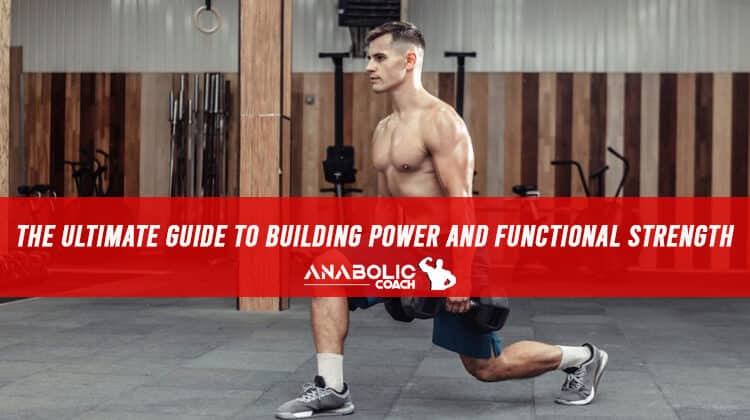
To effectively train your glutes add single-leg exercises like the Bulgarian split squats or reverse lunges to your regular leg-day routine to:
Correct Imbalance:
Single-leg workouts train your limbs individually so that they can both grow equally in strength and size. Thereby, correcting any imbalance that may have been there before now.
Improve Legs for Daily Activities:
Single-leg exercises will not only help you in the gym, but they will also transmit your gym leg strength into carrying out your everyday activities with greater ease.
Build Leg Muscles
Single-leg workouts help to build better and stronger leg muscles.
Accessory Lifts for a Balanced Physique
With accessory lifts you have exercises designed to both support as well as improve the quality of your compound lifts. Accessory lifts help by targeting movement patterns, weak points and specific muscles to strengthen them and make them less susceptible to injury.
A full leg day should hit every single muscle group of your legs, quads, glutes, hamstrings and calves, in order for you to experience consistent progress in strength and muscle growth.
Hamstrings:
For your hamstrings include nordic curls and seated hamstring curls.
Glutes;
For your glutes, make it a necessity to integrate banded walks and cable kickback curls to your session.
Calves:
And for your calves do both the standing and seated calf raises. Try to keep a steady pace while executing these exercises.
Pro Tip:
Depending on your fitness experience and speed of recovery, you should target between 10 and 20 challenging sets for each muscle group per week. Be sure to adjust your volume either upwards or downwards depending on your speed of recovery.
Master Your Tempo and Range of Motion
To get the most out of every lift make sure you do not cut short your reps. Go in full motion for every exercise, as this builds your muscles and keeps your joints flexible and mobile.
For your Muscle-Building Phase:
Lower the weight slowly for 3 seconds to increase your muscles workload.
For your Strength Phase:
Engage in explosive lifts with heavy weight, while ensuring proper form to maintain control of the weights and avoid injuries.
Programming for Progress
The frequency of your training should match your level of experience.
If you are a beginner, you should train your legs for 1 to 2 times per week and if you have been training for sometime, focus on training for 2 to 3 times per week, and include one heavy lift, one muscle growing exercise and one explosive power day to your leg-day session.
Mobility: The Foundation of Power
To prevent injury and maintain healthy joints, you have to be consistent.
Your hips and ankles have to be in a good flexible state to ensure proper squatting and prevent straining on the lower part of your body.
In order to avoid injuries from occurring and maintain healthy joints, a regular hip and upper body stretch would suffice before your main workout session and even during your cooldown routine.
@realanaboliccoach Legs That Perform: Build Power, Not Just Vanity Build strong, functional legs that look and perform — heavy work + smart accessory choices. #LegDay #LowerBodyStrength #GluteTraining #SquatProgram #DeadliftDay
Summary
Having strong and powerful legs don’t happen overnight, it takes a well structured training program that incorporates both compound and accessory lifts, in addition to having a proper recovery plan.
When you focus on your mobility and progress overload, you end up building a strong and powerful lower body that is not just resilient, but also very aesthetically appealing.