

Losing weight requires you to be committed to certain lifestyle changes such as sticking to a healthy diet, regular exercise and some others. Unfortunately some of us have over the years been stuck to some wrong ideologies about losing weight.
In this article, I will be listing and debunking six of these common half-truths that have ruled the fitness world.
Separating Diet and Exercise Myth from FACT
It’s not easy to lose weight, but it’s not difficult either. With the right approach and information, basically anyone can lose weight.
Nevertheless, while weight loss can be achieved by virtually anyone, there are several misconceptions making the rounds that make it difficult for anyone that believes these false narratives to effectively lose weight.
While there are many false narratives out there, the six (6) provided below are arguably the most commonly spoken of the lot.
Myth #1: Low-Fat Diets Are Key To Weight Loss
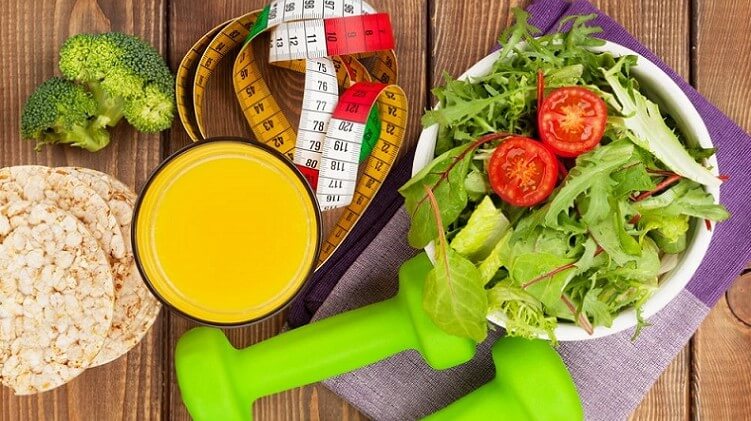
It has always been believed that a low fat diet helps in losing weight, but that is actually not true, the total number of calories in the food you eat is what determines your weight loss and not just the low-fat food you consume. This means a low-fat diet alone won’t cut it.
Before the 1980s, very few low-fat foods were commercially produced. Back then if you were placed on a low-fat diet, you could actually do your grocery shopping in seconds. You only had the options of skim milk, fish, and fresh produce to choose from which made weight loss possible.
But because of this misconception, people now think they can eat more as long as the food contains low-fat. So instead of eating a 600 kilojoules (which is about 150 calories) of a small piece of sponge cake, for example, many people would rather go for a 2,000 kilojoules (which is about 500 calories) of muffin just because it is labeled low-fat.
What you need to know is that the three macronutrients of protein, carbohydrate and fat are the building blocks of food. Therefore, a food’s total calorie content can still be high even when it contains low-fat.
What you need to know when deciding on the quality and quantity of foods you want to consume is that 1 gram of protein contains 17kJ or 4.1 kcal, 1 gram of carbohydrates contains 16kJ or 3.8 kcal, and 1 gram of fat contains 37kJ or 8.8 kcal. You can then do the math when calculating your total calorie consumption in a day during your bulk, cut or recomp program.
So it becomes logical that those who eat foods with low-fat should lose weight right? But unfortunately that’s not so.
If you want to eat healthy, it’s best you stick to your grandparents’ idea of low fat foods, which are whole grains, fish, low-fat dairy, and so on while avoiding the modern day low-fat processed foods.
Losing weight on a high fat diet is more possible than when you consume a “low-fat diet,” the trick is just to focus on the amount of calories in the foods you consume.
Myth #2: Cheat Days Ruin A Good Fitness Regime
When you moderately take time off from your workout or diet (otherwise called cheat days), it actually helps you maintain a diet and workout program.
The good news is that if you are running a proper diet and fitness regimen, then you will be more than validated if you decide to have cheat days from time to time.
One smart way to make your cheat days worthwhile for losing weight is to draw up a plan to cater for your specific fitness and diet needs. In addition to this, you need to have a balance between running a restrictive diet and indulging in overeating habits.
Myth #3: Skipping Dinner Leads To Weight Loss
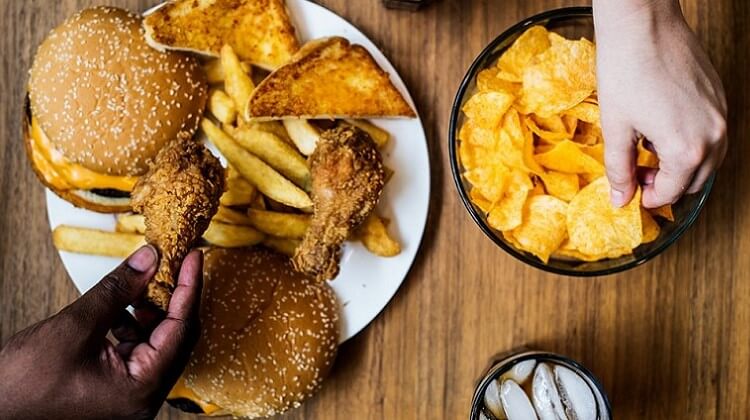
Many of us may have heard the saying that skipping dinner will help in weight loss. However, this is far from reality, as skipping dinner may lead to the exact opposite results while making it difficult for a person to enjoy weight loss gains.
As you skip your dinner, the reaction of your body is to slow down your metabolic rate moving into what is referred to as “starvation mode” as a way of conserving energy supplies. As a result of your body reacting in this way, you tend to have hunger pangs leading to overeating either in the morning or afternoon time of the day causing you to gain weight rather than lose it.
Myth #4: Crash Diets Work Best For Weight Loss
A quick weight loss from a crash diet is always very difficult to maintain and usually always leads to a long-term weight gain. This occurs because crash diets are a very restrictive diet, and are hard to stick to. And because of its nature, you may not get enough of the vitamins and minerals that your body requires.
As a result, your body starts craving high-fat and high-sugar foods even though it is bad for it.
Myth #5: A Longer Workout Gives Better Results
One other misconception that has ruled the food and fitness world is that spending long hours exercising will help in losing weight. But this is not quite true. Exercising long hours does not equate to a better result. Instead, a short but consistent workout routine over-time gives better results.
Which means you need to incorporate more workouts into your everyday schedule. It is recommended for adults to take at least 150 minutes of regular exercise on a weekly basis. And if you are overweight, you will need to do more to witness the positive effects.
The whole idea is for you to burn much more calories than you are likely to consume in order to actively lose weight.
You either reduce your calorie intake or increase your physical activities, but the best approach is doing both.

Myth #6: Workouts Offset Bad Eating Habits
It is worth noting that a frequent and consistent exercise routine will not in any way compensate for a poor diet. No results come from just working out.
Even though exercise is a big factor in your health, it only contributes 20%-30% of your weight loss. In other words, 70%-80% of your weight loss will be determined by what you eat and drink, the rest is up to your workout routine.
Conclusion
In relation to weight loss, we still have many more misconceptions which I did not mention in this article, that many of you still believe to be fact.
If you are not sure about any “common idea” or weight loss goals, I recommend you talk to an expert dietician or trainer.
You can take the first step right now by signing up for our free coaching with an IFBB PRO today.